Historic and Cultural Tour Project: Memory of the City through its Monuments and Heritage – Identity and Citizenship
A walk through the Historic Center of Penápolis by way of panels with old photographs and texts that tell the city's story. With guided tours and plaques spread across historic sites, the project awakens memories, brings young people closer to local heritage and strengthens the identity and citizenship of the people of Penápolis.
Tap a point on the map to see the photo and the story. On your phone, “Show me where I am” shows the plaque nearest to you.
16 stops on the tour
-
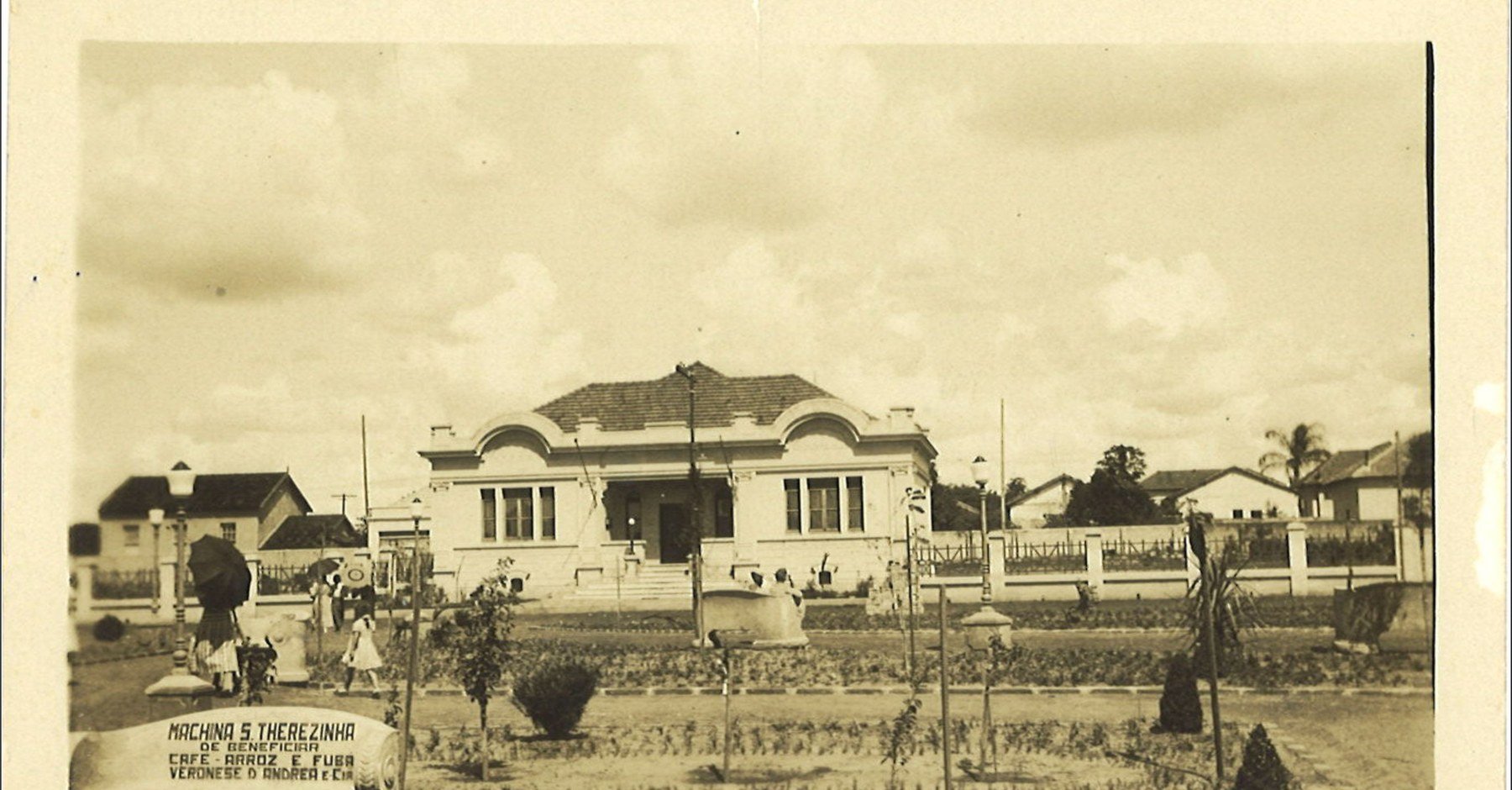 Paço Municipal (Old City Hall)
Praça Nove de Julho, 150 — Centro. Now the Historical Museum.
The Paço Municipal of Penápolis was inaugurated on September 7, 1930, and housed the City Council's session rooms and the other offices of the city government.
-
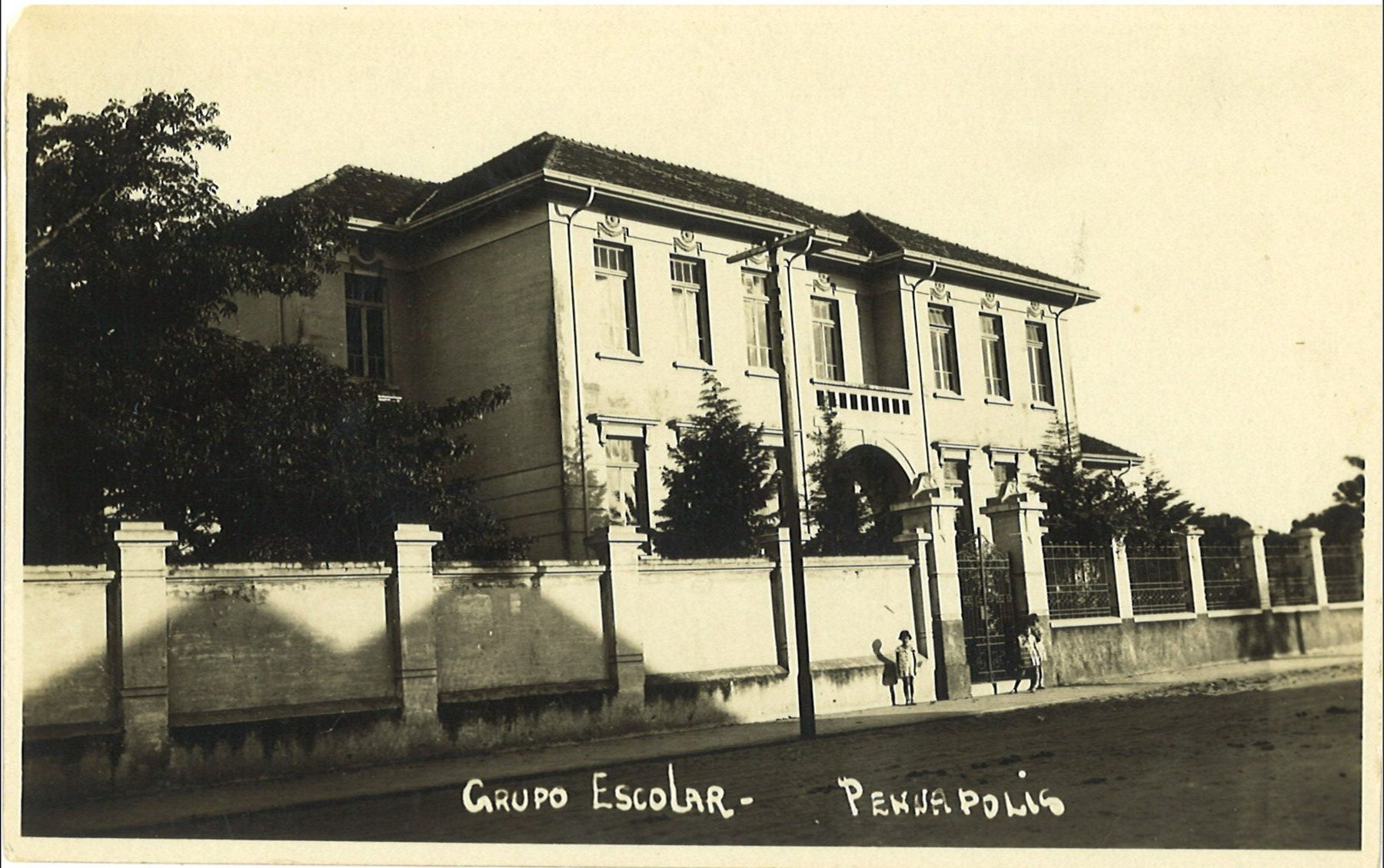 First Primary School (Grupo Escolar) — Palácio da Instrução
Now Escola Estadual “Luiz Chrisóstomo de Oliveira”, in the city center.
The First Grupo Escolar (primary school) began operating at this site on November 1, 1923. Before that, in 1919, the “Escolas Reunidas de Pennapolis” operated in a building on the…
-
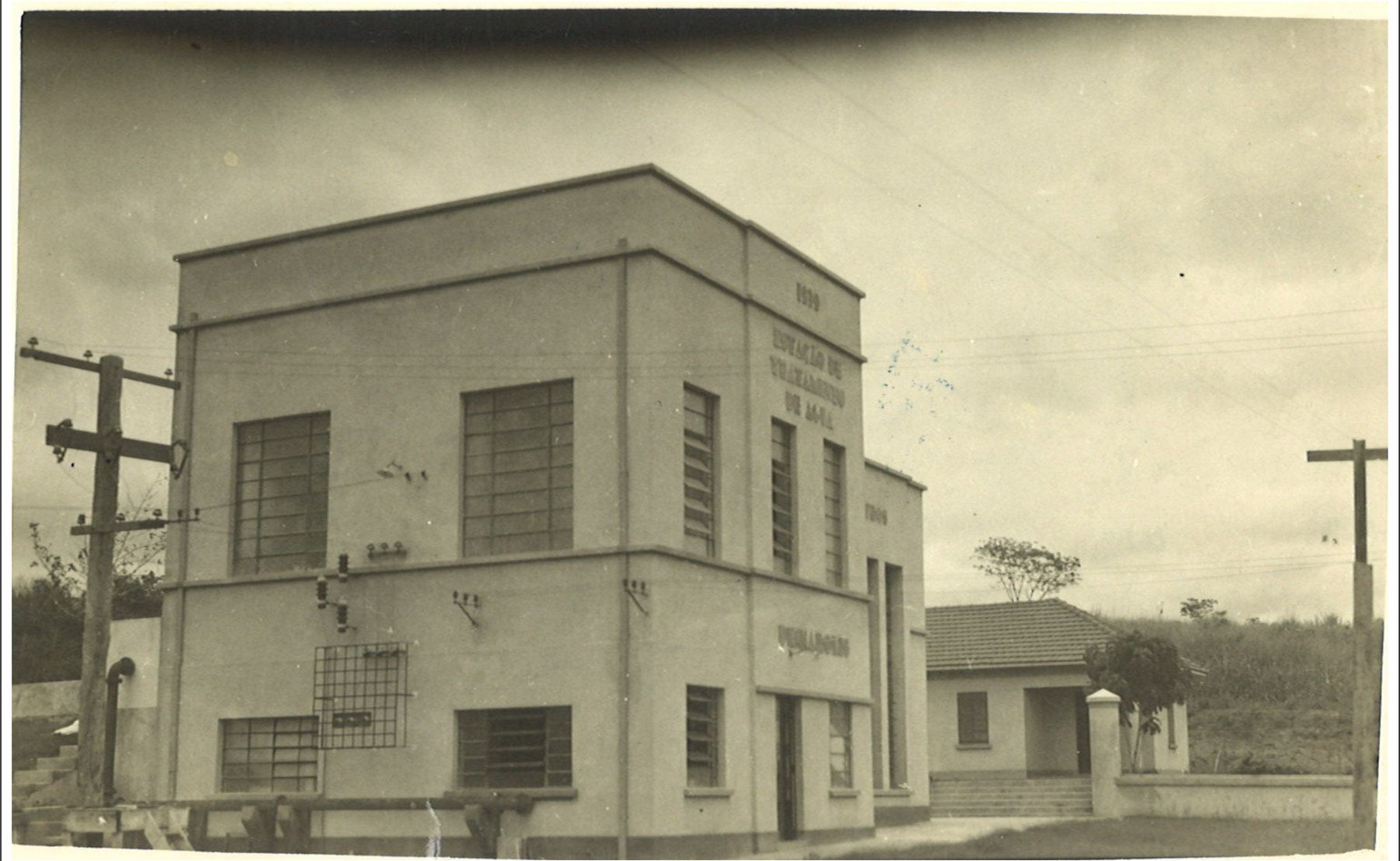 Water Treatment Plant
The city's first water supply system, from 1939.
Building constructed for the First Water Supply System, which included drawing water from the Ribeirão Lajeado (Lajeado Creek), a conventional treatment plant with a capacity of…
-
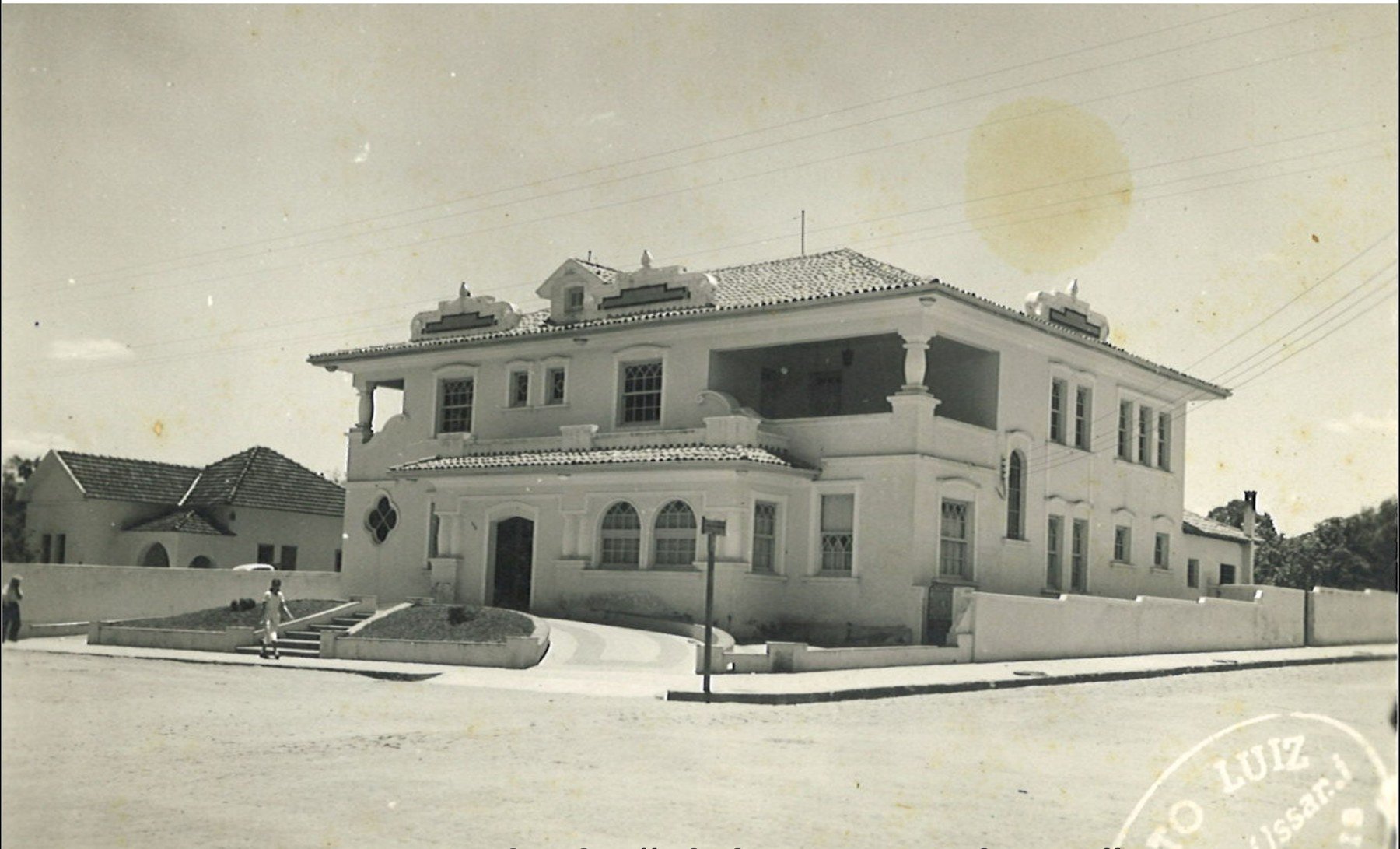 Club Pennapolense
The building now houses the collection of the Museu do Sol.
The Club opened on December 20, 1925, with the aim of promoting literature and recreation. In 1961, it merged with the Sociedade Penapolense de Natação (whose first swimming pool…
-
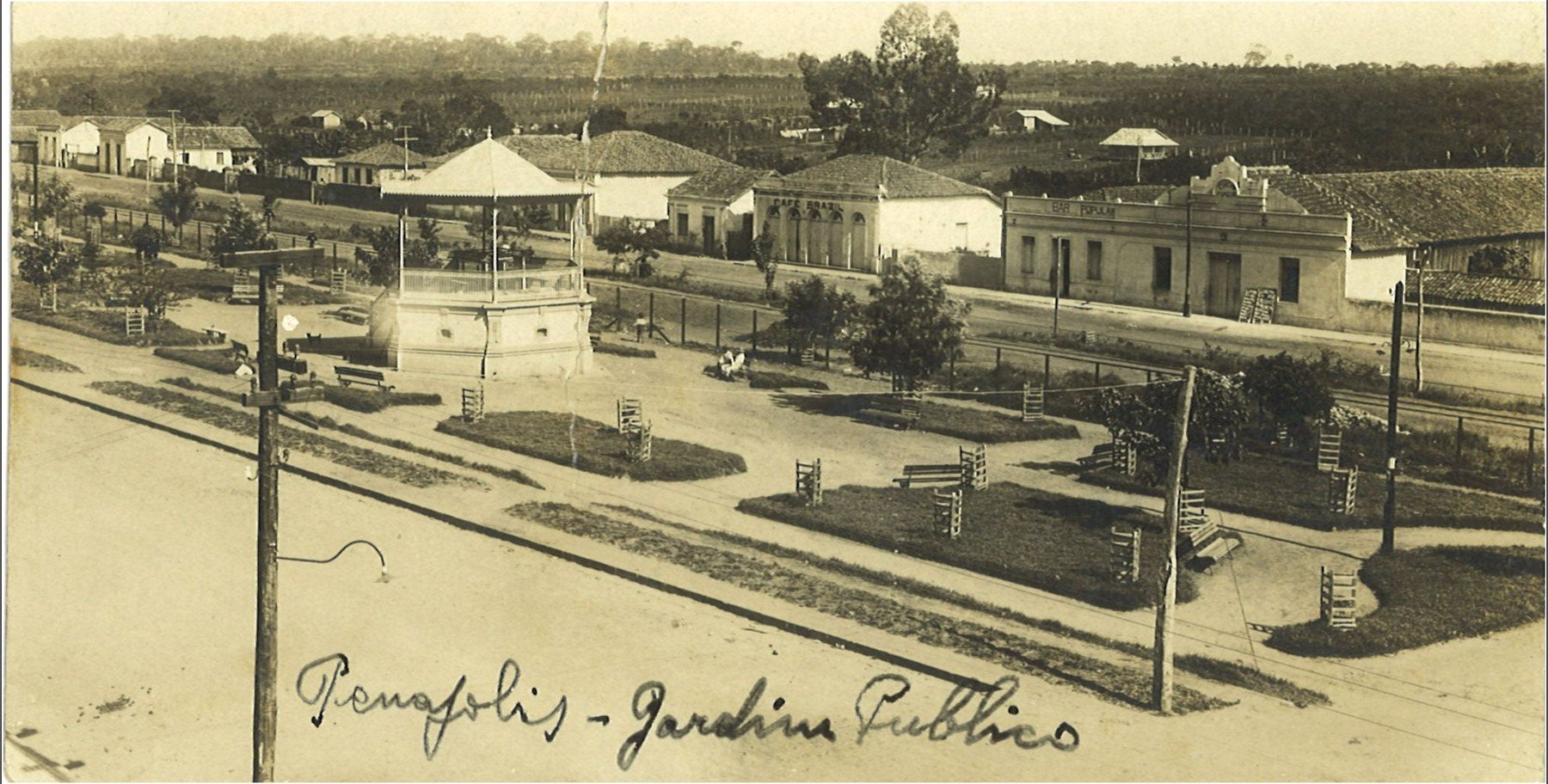 First Public Garden
Between Rua Irmãos Chrisóstomo de Oliveira and Rua Ramalho Franco, next to the railway line.
The 1st Garden was a large plot between Rua Irmãos Chrisóstomo de Oliveira and Rua Ramalho Franco, which the city government bought from the Capuchin friars to create a place for…
-
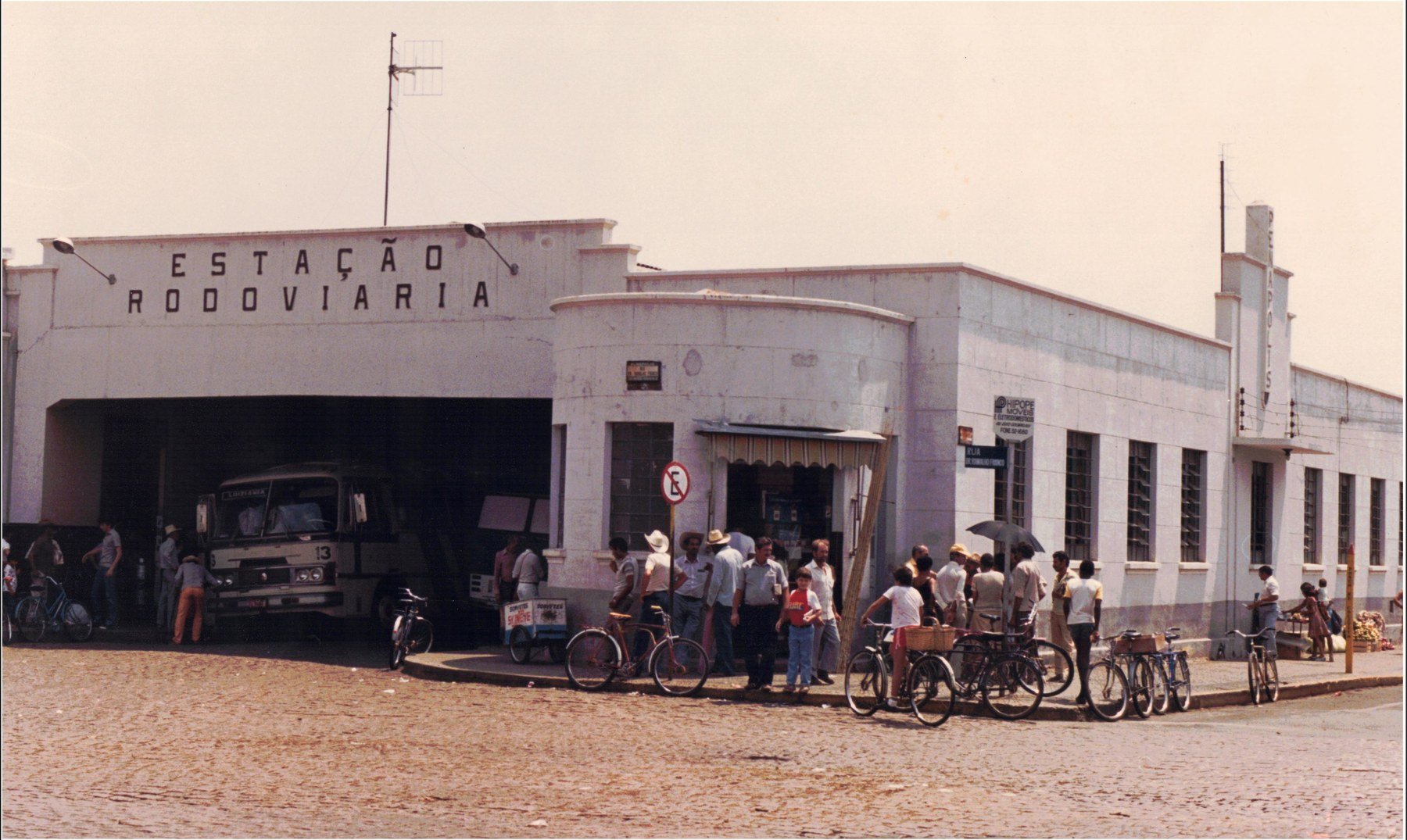 Second Bus Station
Now the Centro de Atendimento Psicossocial (Psychosocial Care Center).
The Second Bus Station was built by a group of twenty businessmen and opened on June 24, 1951. It stood out for its beautiful architecture and its size. The bus station operated…
-
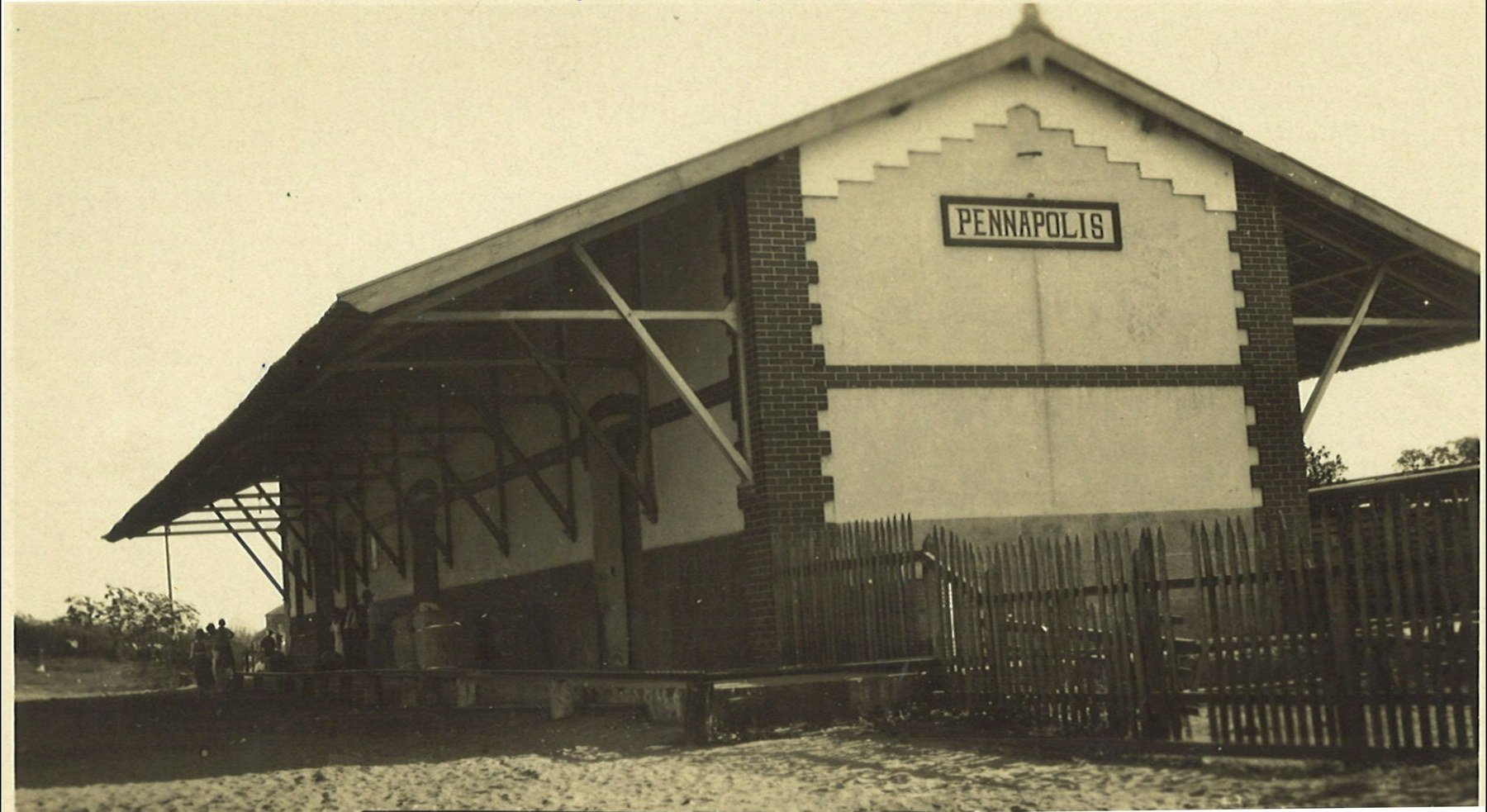 Railway Station
Avenida Rui Barbosa, the former Avenida da Estação. Now the Centro de Integração da Cidadania “José Ribeiro de Barros”.
The railway played a key role in the birth of the city. It was with the arrival of the train, and with the extermination of the Indigenous peoples and their forced settlement into…
-
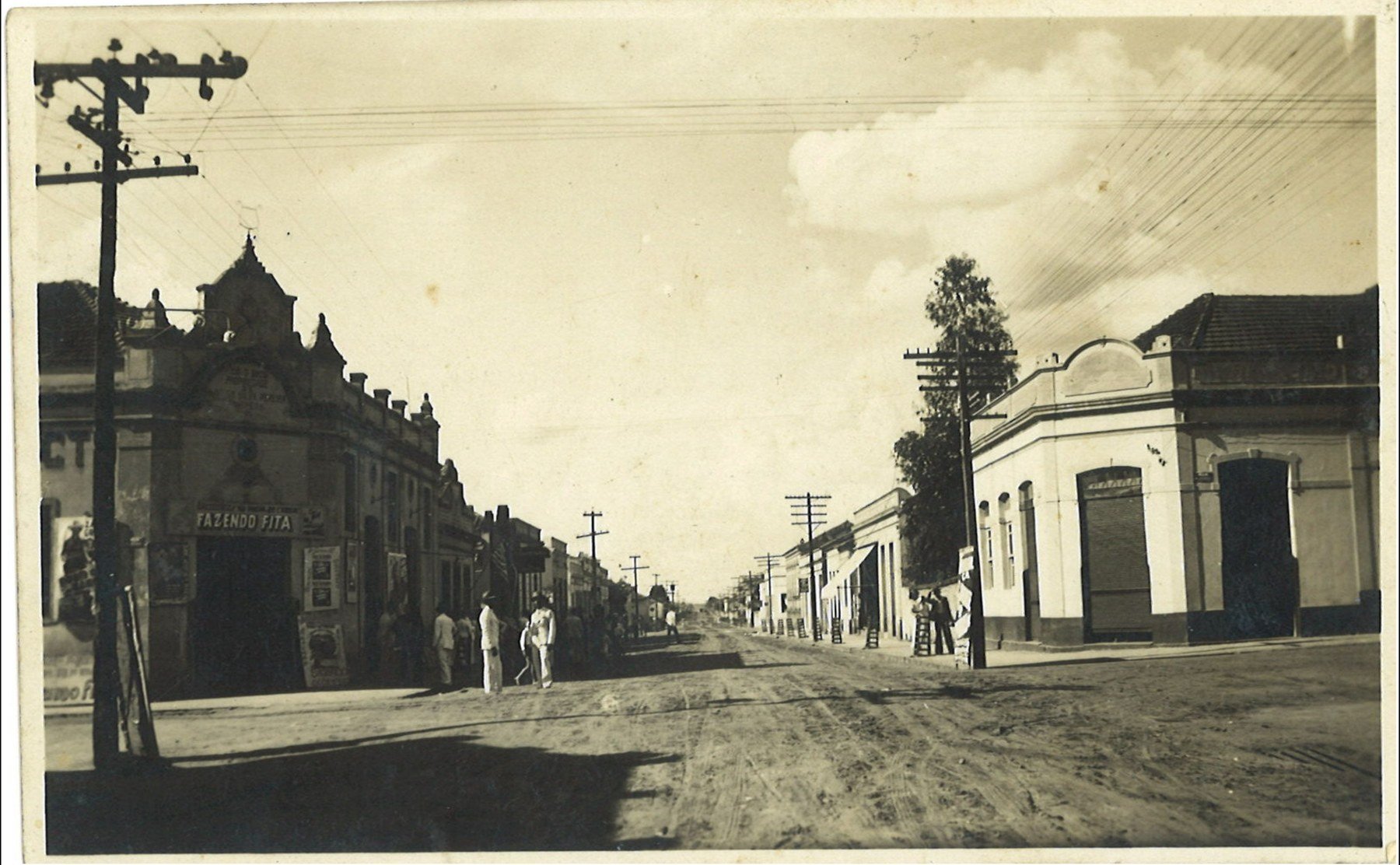 Cine Theatro Avenida
Avenida Luiz Osório. Now Banco Santander.
The Cine Theatro Avenida was a silent cinema; only in 1930 did it start showing talking pictures. It operated from 1925 to 1935. Its owners were Paschoal Senatore, José da Silva…
-
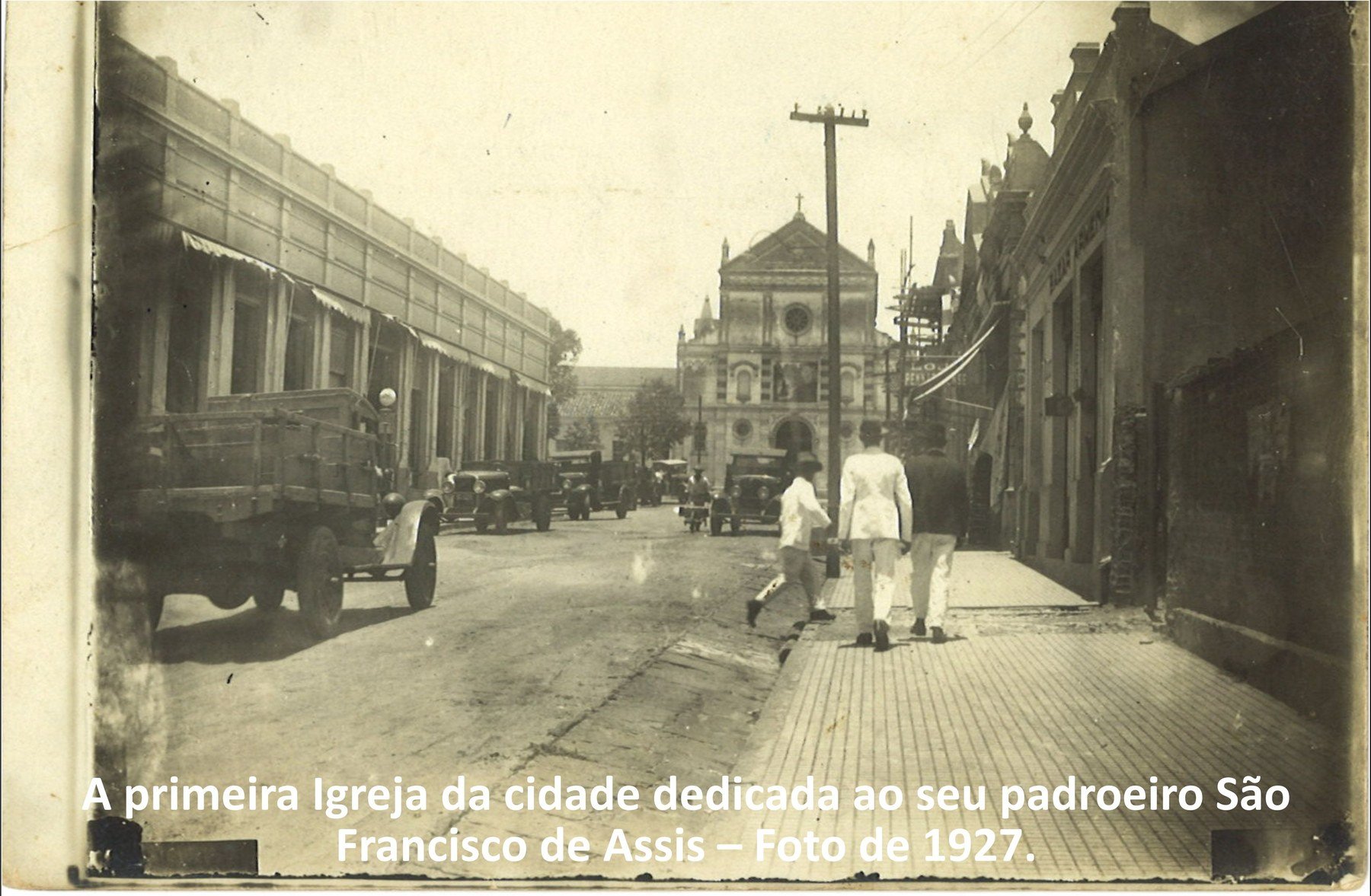 First Church of São Francisco de Assis
Avenida Luiz Osório, 436. Now Santuário São Francisco de Assis.
In 1909, construction began on the convent (the friars' new residence), the classroom and the chapel. As the population grew, so did the need for more space. In 1917 the main…
-
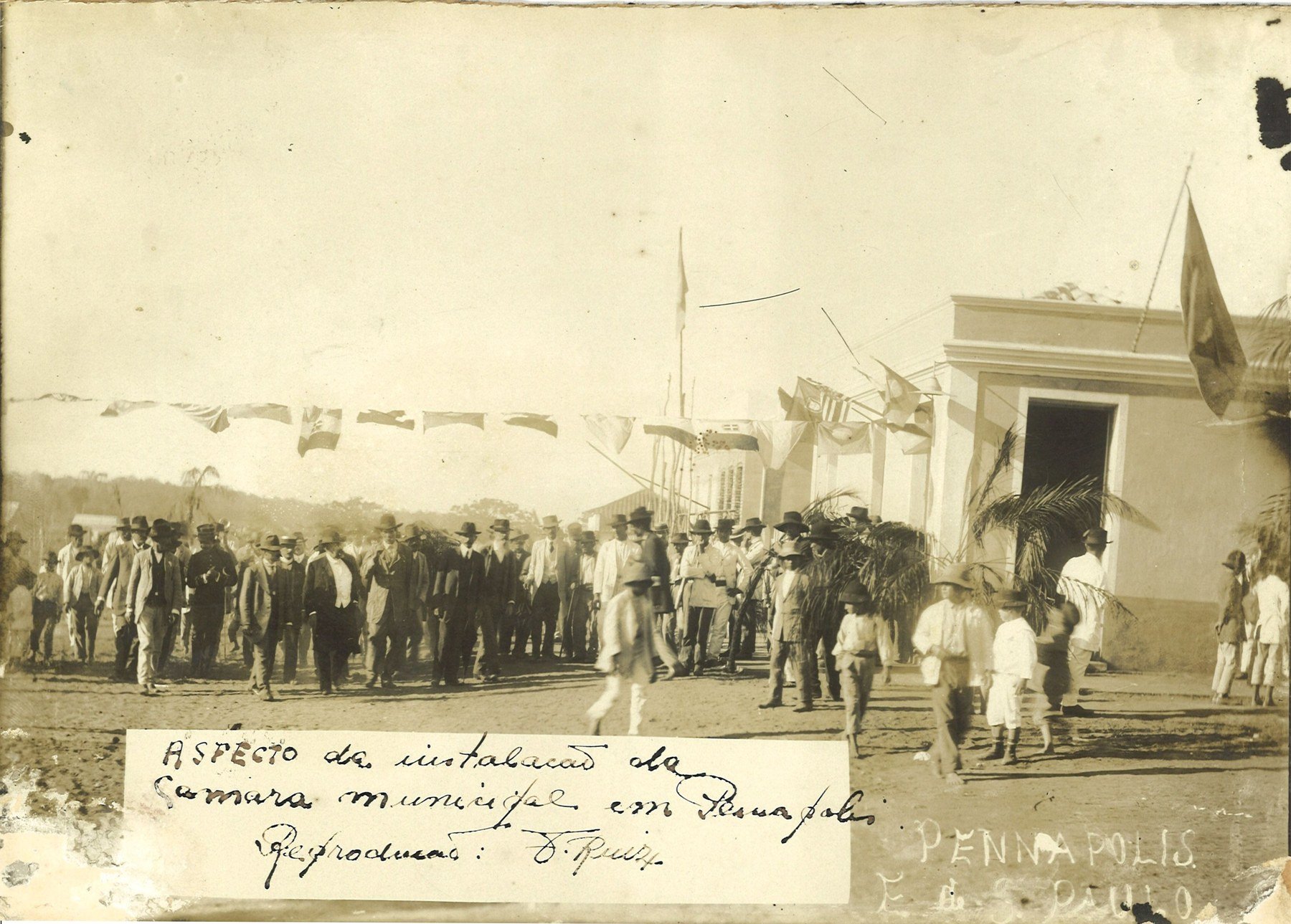 First City Council
Avenida Rui Barbosa, the former Avenida da Estação. Now Bazar Barateiro.
The importance of the railway in the urban space can be seen in how “Avenida da Estação” (now Av. Rui Barbosa) was occupied. Local life ran alongside the station's façade, where…
-
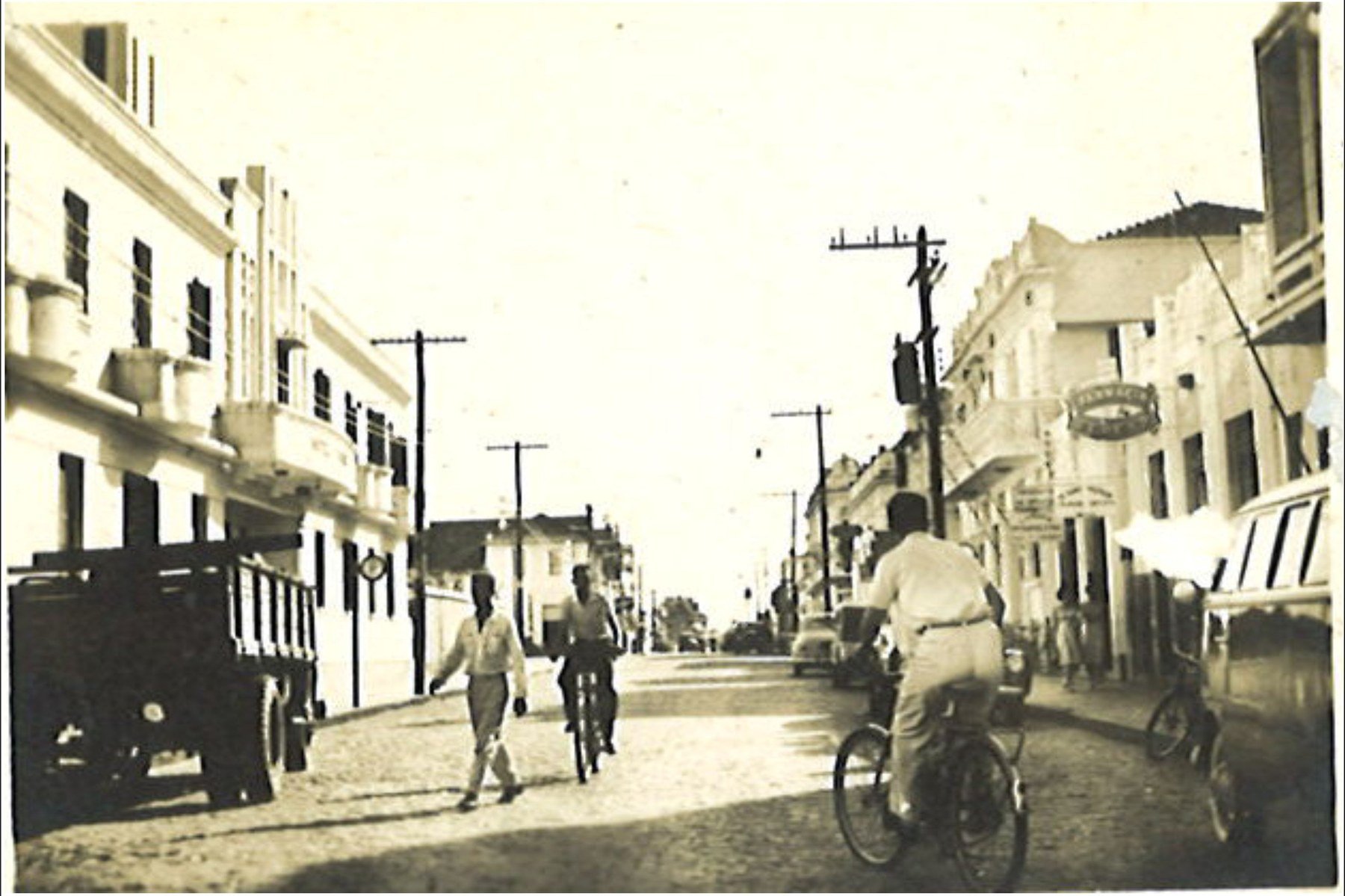 Avenida Luiz Osório and the Hotel Soares
Avenida Luiz Osório. The Hotel Soares stood where Casas Bahia is today.
Avenida Luiz Osório da Fonseca, one of the city's main streets, was named in honor of the city councilman murdered on January 16, 1919, during a council session. The Hotel Soares,…
-
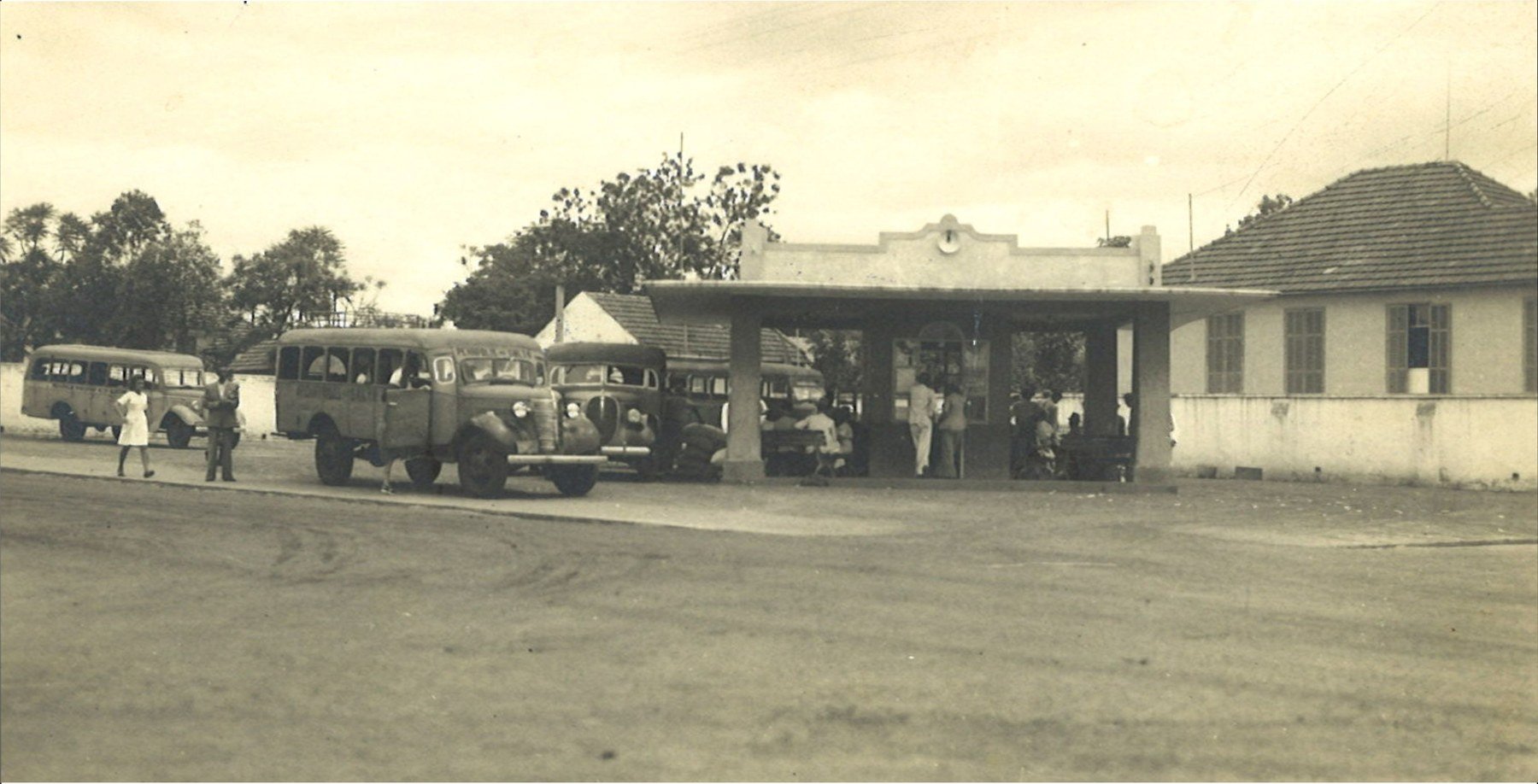 First Bus Station
Now the Post Office building.
The first bus station opened in 1942. It was just a glass-walled square: tickets were sold at the front, and Mr. José Ribeiro de Barros's café was at the back. Trips were made in…
-
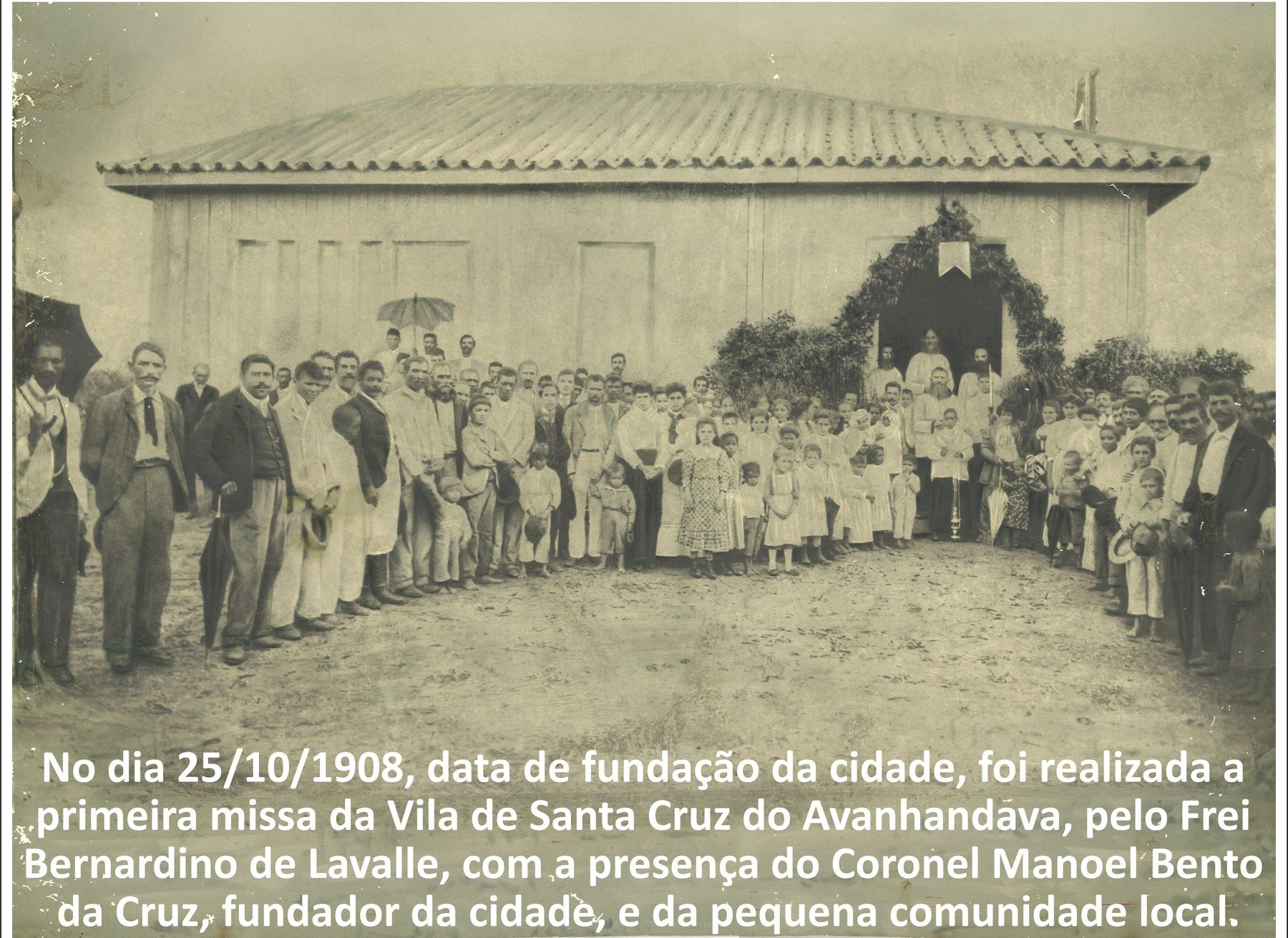 First House
Rua dos Capuchinhos, Vila Anselmo. Now the Museu da Primeira Casa (First House Museum).
The First House was built to shelter the friars who came to the region to spread the faith and provide education and health services, until the church and its annexes were built.…
-
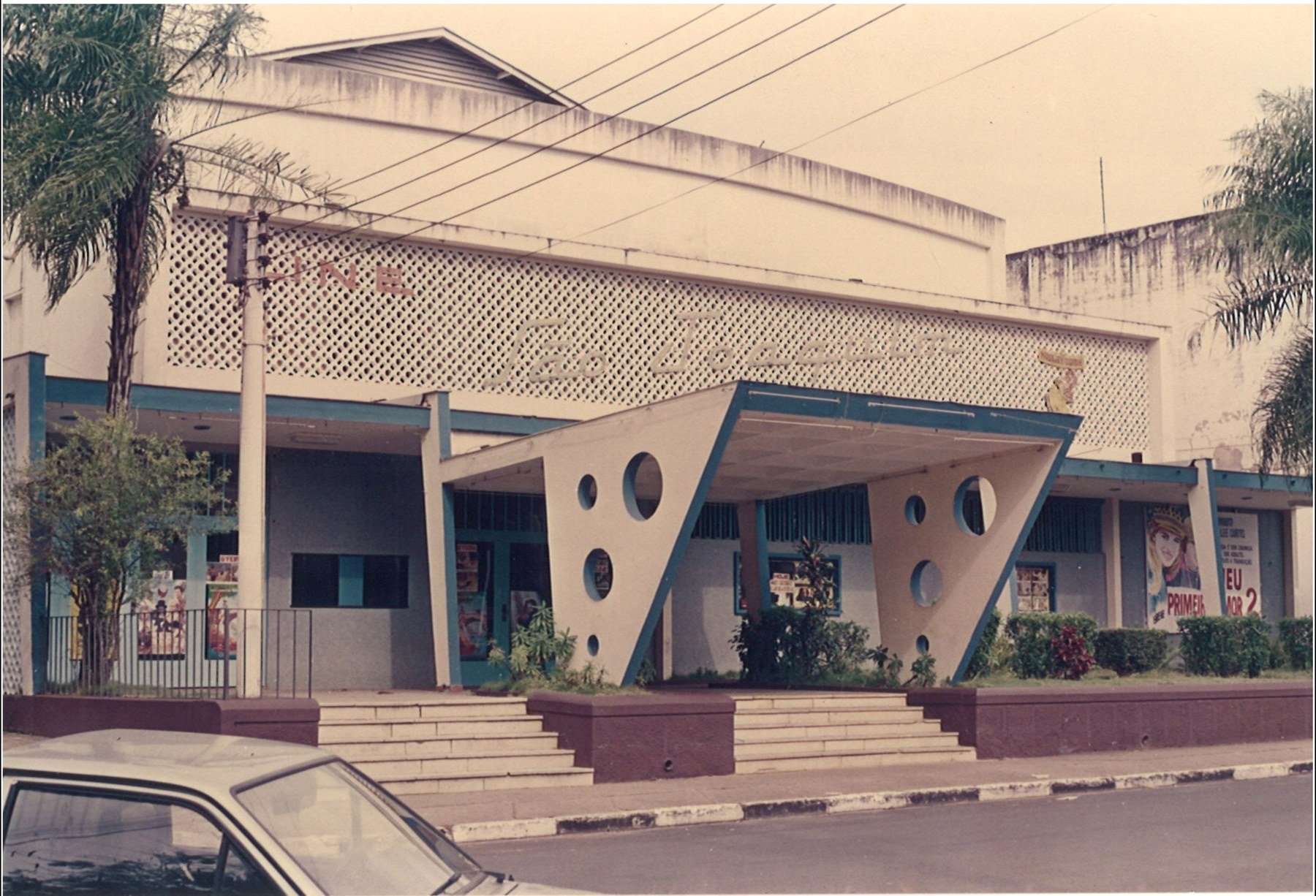 Cine São Joaquim
Avenida Eduardo de Castilho, 170. Now FUNEPE's Núcleo Acadêmico e Cultural (academic and cultural center).
The “Enchanted Palace of the city” held its opening screening on December 22, 1957, with the film “O Tesouro de Rommel” (Rommel's Treasure). It belonged to the Empresa Teatral…
-
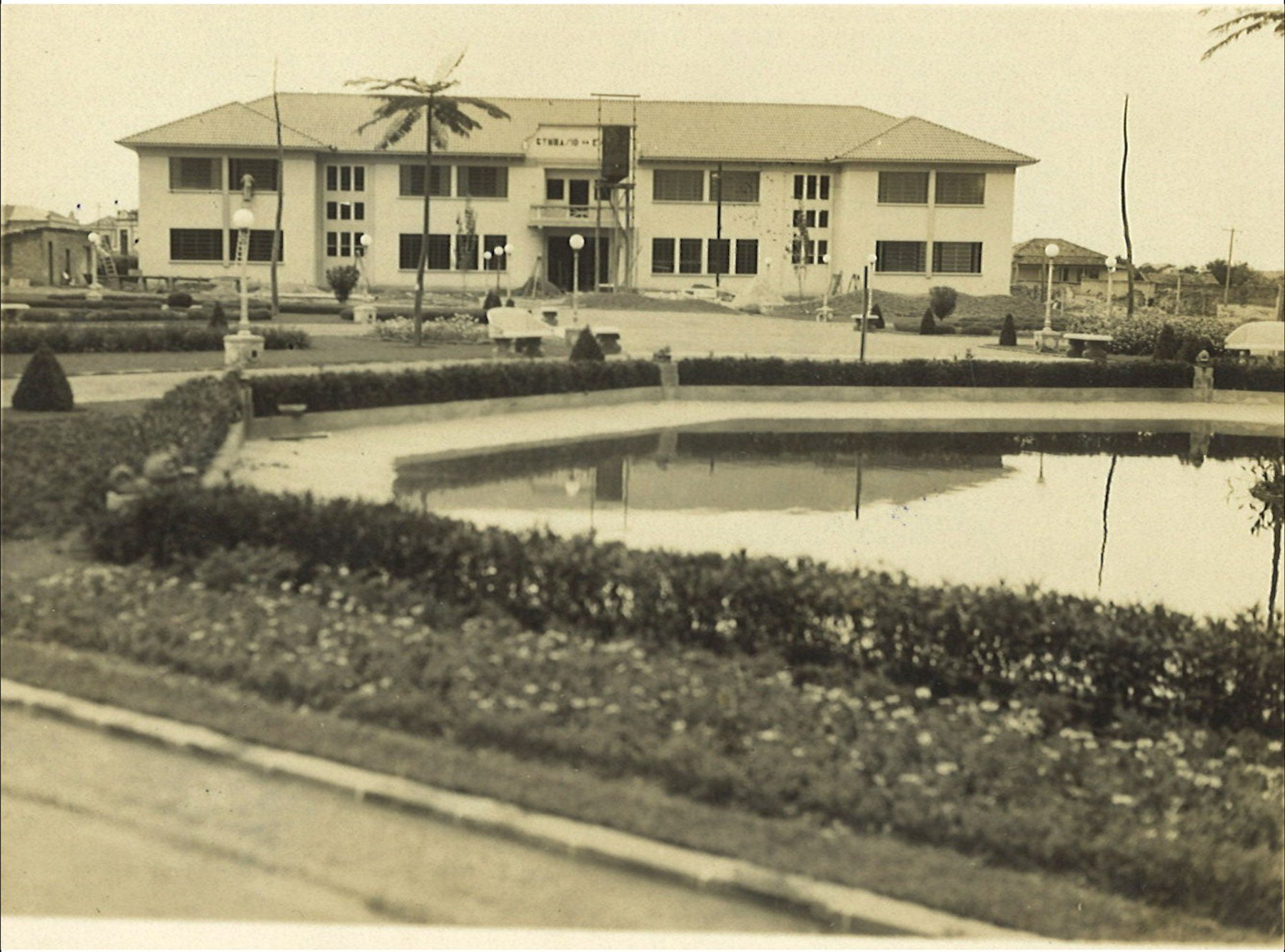 Square and Escola Estadual “Dr. Carlos Sampaio Filho”
Praça Dr. Carlos Sampaio Filho, in the city center.
The square was called “Dr. Antonio Define” and was renamed Praça “Dr. Carlos Sampaio Filho” in 1949. In the background of this photo, the Instituto de Educação.
-
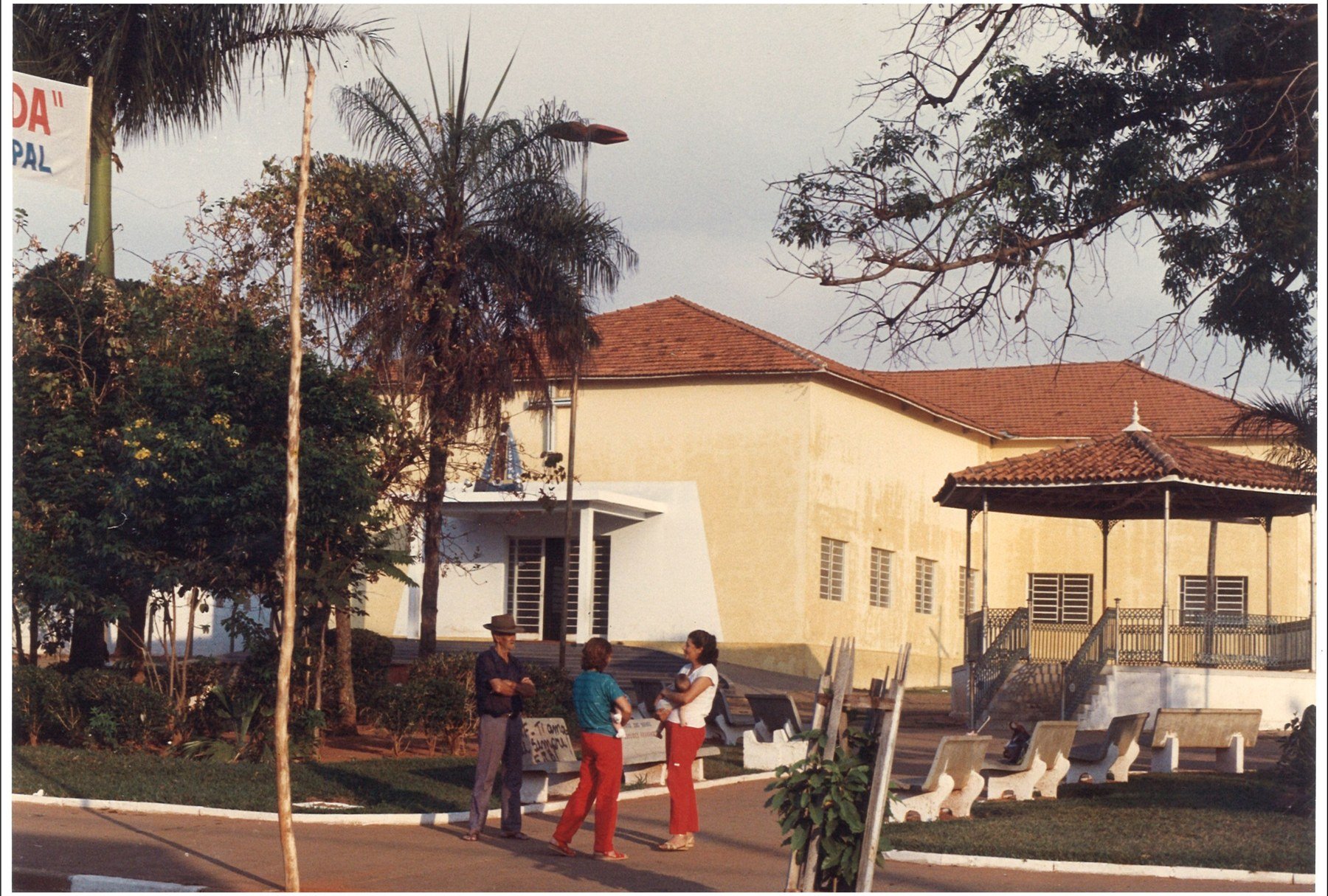 Church of Nossa Senhora Aparecida
Praça Nossa Senhora Aparecida. The bandstand is the one from the First Public Garden.
The church of Nossa Senhora Aparecida was built by Mr. Elesbão José de Souza and Mr. Evaristo Vaz de Arruda and opened in 1916. The land where the church stands was donated by Mr.…